
Tag Archive for: youth football development

Posts

5 Life Skills Players Learn During the Kathmandu Kickers Germany Tour

Our players recently returned from the Kathmandu Kickers Germany Tour 2026, which took place from May 21 to May 28. During the seven-day trip, they had the opportunity to compete in international tournaments, experience German football culture, visit iconic football venues, and spend valuable time together as a team.

While football remains at the heart of the Germany Tour, the experience is about much more than matches and training sessions. Over the years, we have seen players return home with greater confidence, maturity, and life lessons that stay with them long after the tour ends.

Based on our observations during this year’s tour, here are five important life skills players develop through the Kathmandu Kickers Germany Tour.

1. Adapting to New Environments

For many players, the Germany Tour is their first experience traveling to Europe. A different culture, language, food, and daily routine can feel unfamiliar at first.

Throughout the trip, players learn how to adjust to new surroundings, communicate effectively, and remain comfortable outside their usual environment. This adaptability helps them become more independent and confident both on and off the football pitch.

2. Taking Responsibility

When players travel with Kathmandu Kickers, they represent not only themselves but also their teammates, families, academy, and country.

During the Germany Tour, players are responsible for following schedules, arriving on time, respecting team rules, and maintaining a professional attitude. Learning to take responsibility for their actions is an important part of their development as young athletes.

3. Building Strong Team Relationships

One of the most rewarding aspects of this year’s Germany Tour was seeing players spend an entire week together. From traveling and training to competing in matches and exploring new places, the shared experiences brought the group closer together.

Strong friendships and trust between teammates are often built during moments away from the football field. These relationships help create a positive team culture that continues after returning to Nepal.

4. Learning to Handle Challenges

International competition presents new challenges. Players face different playing styles, higher levels of intensity, and unfamiliar opponents.

During the recent Germany Tour, our players showed resilience by continuing to compete, learn, and improve throughout the week. Experiences like these teach young athletes how to stay focused, manage pressure, and respond positively when faced with difficulties.

5. Developing a Growth Mindset

A key takeaway from every Germany Tour is the opportunity to observe football in a different environment. Whether through tournament participation, football facilities, or interactions with players from other countries, our players gain a broader understanding of the game.

Many return home motivated to train harder, improve their habits, and continue developing their skills. The experience often reinforces the idea that progress comes through consistency, effort, and a willingness to learn.

Hence, the Kathmandu Kickers Germany Tour is designed to provide young players with valuable experiences both on and off the field. As our players returned home on May 28 following another memorable seven days in Germany, they brought back more than football memories.

They returned with new friendships, greater confidence, and life lessons that will continue to support their development as players and as individuals. These experiences are one of the many reasons why the Germany Tour remains an important part of the Kathmandu Kickers‘ journey.
Football Positions Explained for Beginners (Parents & Kids Guide)

Football may look simple, 22 players chasing one ball, but every player on the field has a specific role. Understanding these roles helps young players learn the game faster and helps parents follow matches with more excitement. Here’s a simple guide to the main football positions.

Goalkeeper (GK)

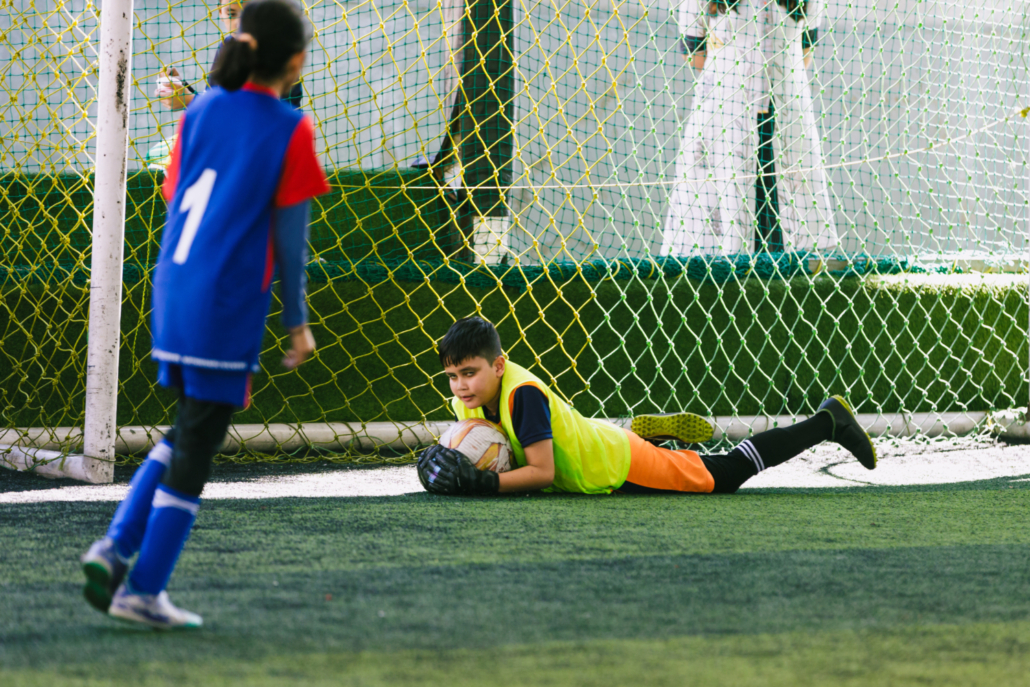
kathmandu kickers goalkeeper

The goalkeeper is the last line of defense. Their main job is to stop the opposing team from scoring by saving shots on goal. Unlike other players, the goalkeeper can use their hands, but only inside the penalty area.

Goalkeepers need quick reflexes, good communication, and confidence. They also help organize the defense and start attacks by passing the ball to teammates.

Defenders

kathmandu kickers defender

Defenders play closest to their own goal and focus mainly on stopping the opposition from attacking.

Center Backs (CB):

They stay in the middle of the defense and block strikers from getting clear shots on goal. They need strength, positioning, and good decision-making.

Full Backs (RB & LB):

Right back and left back play on the sides of the defense. They stop wingers from crossing the ball and often help their team attack down the wings.

Midfielders

kathmandu kickers Midfielder

Midfielders are often called the engine of the team because they connect defense and attack. They run a lot during the game and control the flow of play.

Central Midfielder (CM):

Helps both defend and attack, passes the ball around, and keeps the team organized.

Defensive Midfielder (CDM):

Focuses more on protecting the defense by winning the ball back.

Attacking Midfielder (CAM):

Creates scoring chances by passing the ball forward and supporting the strikers.

Forwards (Attackers)

kathmandu kickers striker

Forwards play closest to the opponent’s goal, and their main job is simple: score goals.

Striker (ST):

Usually, the main goal scorer. Strikers need good finishing, positioning, and confidence in front of the goal.

Wingers (RW & LW):

They play on the sides of the attack. Wingers use speed and dribbling to beat defenders and create chances for teammates.

Why Understanding Positions Matters

For young players, learning different positions helps develop well-rounded skills. Many youth academies encourage kids to try multiple roles, so they understand the game better and become smarter players on the field.

Football is a team sport, and every position is important. When players work together and understand their roles, the game becomes more enjoyable and much more exciting to watch.

Challenges and Opportunities in Youth Football Nepal

Youth football in Nepal is developing slowly but steadily. More children are joining football academies, and parents are becoming more aware of the benefits of sports. However, youth football Nepal still faces several challenges, alongside strong opportunities for growth.

Challenges in Youth Football Nepal

Limited Training Facilities

One of the biggest challenges in youth football in Nepal is the lack of proper training facilities. Many young players practice on hard or uneven grounds with limited equipment. Poor field conditions increase the risk of injury and affect skill development.

Short-Term Focus in Player Development

Some football academies prioritize winning matches over long-term youth football development. Young players need step-by-step training based on their age and physical growth. Without proper planning, many talented players stop improving early.

Lack of Qualified Youth Coaches

Youth football requires coaches who understand child development and safe training methods. In Nepal, there are still not enough coaches trained specifically for youth football. This can affect confidence, discipline, and motivation among young players.

Limited Match Exposure

Regular matches are important for youth football growth. Many young players in Nepal do not get enough competitive games. Limited tournaments and leagues reduce learning opportunities and slow overall development.

Opportunities in Youth Football Nepal

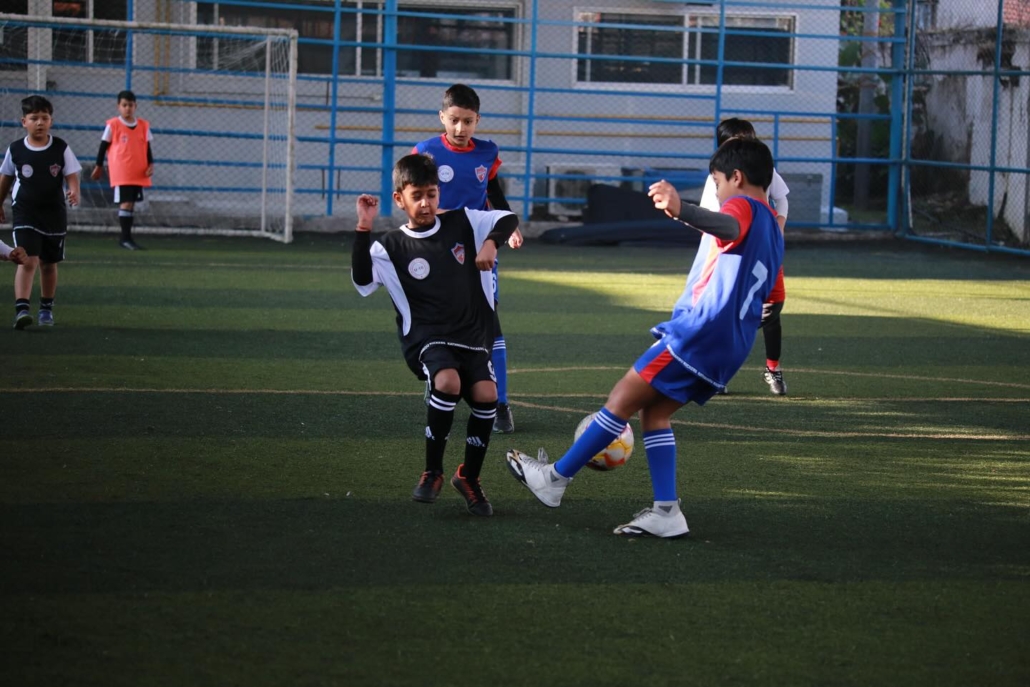
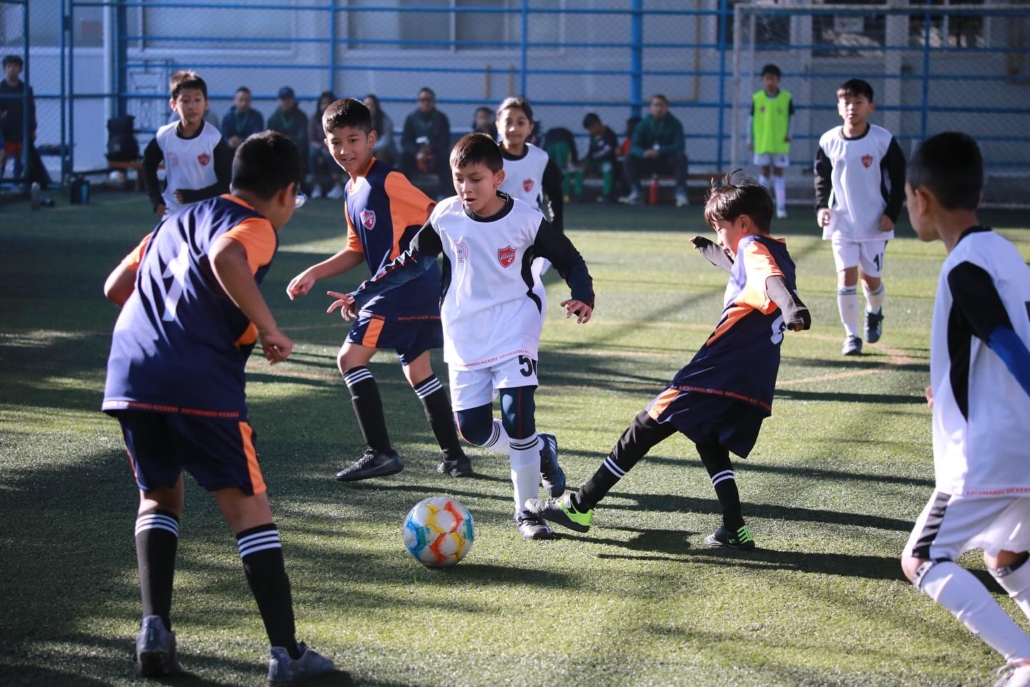
kathmandu kickers
kathmandu kickers

Improvement in Football Academies

Football academies in Nepal are slowly improving training quality. Many academies now offer structured youth football programs, better coaching, and regular practice sessions. This helps young players grow in a safe and supportive environment.

Early Talent Identification

Nepal has many naturally talented young footballers. With early scouting and proper training, Junior football in Nepal can develop strong players for club and national teams in the future.

Increased Tournament and League Exposure

Youth leagues, school tournaments, and academy competitions are increasing. These events give young players valuable match experience and confidence, creating a positive future for youth football development in Nepal.

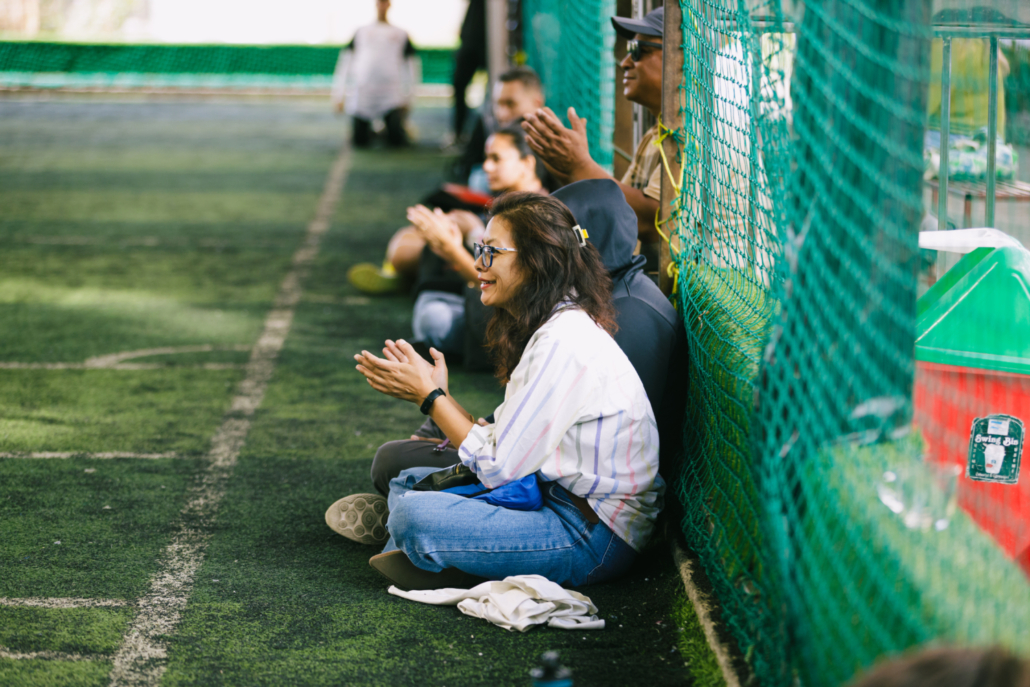
kathmandu kickers parents

Growing Interest Among Youth and Parents

Football is becoming more popular among children and parents in Nepal. Many families now see football as a way to build fitness, teamwork, and discipline. This growing support is a big opportunity for Grassroots football in Nepal.

Conclusion

Youth football in Nepal still faces challenges such as limited facilities, structured planning, and access to qualified youth coaches. At the same time, the growing interest among children and parents shows that the future of early-age football in Nepal is moving in a positive direction.

Football academies that focus on proper youth development, safe training methods, and long-term player growth can play an important role in improving the overall football environment. Academies like Kathmandu Kickers Football Academy aim to support this progress by offering structured youth football programs, trained coaches, and regular match exposure, while also focusing on discipline and personal development.

When young players receive the right guidance, training environment, and encouragement, they are more likely to enjoy the game and continue improving. With responsible football academies, supportive parents, and growing grassroots programs working together, Grassroots football in Nepal can continue to develop healthily and sustainably.

How Consistent Feedback Helps Players Improve Faster

Every player dreams of improving their game, but progress doesn’t happen overnight. One of the most powerful tools for growth in football is consistent feedback. It helps players understand their strengths, identify areas for improvement, and make small but steady progress every day.

In our training sessions at Kathmandu Kickers, feedback is not just about correcting mistakes. It is about guiding players toward better habits and smarter decisions on the pitch. When players receive regular feedback from coaches, they start to see the game differently. They learn why certain moves work, how to position themselves better, and what it takes to perform with confidence.

Coaches play a big role in this process. Instead of waiting until the end of a match or a season, we believe in giving feedback during and after every session. This helps players reflect immediately and apply what they learn in their next drill or game. Over time, these small adjustments add up to big improvements.

For young players in Nepal, consistent feedback also builds discipline and focus. They begin to understand that improvement is not just about natural talent but about listening, practicing, and adapting. Parents can also see the difference as their children become more confident and motivated after each training phase.

Feedback works best when it is positive, clear, and constructive. It encourages players rather than discouraging them. Mistakes are part of learning, and our goal is to make sure every player feels supported throughout their journey.

At our football academy, we have seen how consistent feedback helps young players grow faster and stay connected to their goals. It keeps them focused, inspired, and aware that real progress happens step by step. This simple habit is shaping not just better footballers but confident young individuals ready to represent Nepal with pride.

Also Read: How Kathmandu Kickers is Bringing European Football Culture to Nepal

Why Long-Term Admission Helps Kids More Than Short-Term Admission

Football is more than just a game; it is a journey of learning, growth, and discipline. That’s why we always encourage parents to consider long-term admission for their children, rather than short-term enrollment. While short-term admission may seem convenient at first, it often limits a child’s overall development and progress in football.

When a child joins our football academy for a longer duration, we get the time to truly understand their strengths, weaknesses, and personality. This allows our coaches to guide players more effectively by focusing on their overall progress and improvement. Football training does not bring quick results; it requires months of consistent effort, teamwork, and patience to build confidence, strength, and skill on the field.

Another major benefit of long-term admission is the development of discipline and commitment. Kids who train regularly over time learn the importance of consistency and effort. They begin to set goals for themselves, both in sports and in life. These lessons go far beyond football and shape them into responsible and confident individuals.

Long-term players also get to experience real teamwork. As they train together for months or even years, they build strong friendships and learn how to communicate and cooperate with their teammates. This creates a supportive and motivating environment that helps them perform better during matches and tournaments.

At Kathmandu Kickers, we have seen incredible improvement in players who have been with us for longer periods. Their coordination, decision-making, and technical skills grow steadily because they receive continuous coaching and feedback. In contrast, short-term players often miss out on this steady progress, as they do not have enough time to fully grasp the techniques or adapt to the academy’s training structure.

In the long run, football academies like ours are not just about teaching the sport. We focus on overall growth, like physical fitness, emotional balance, and mental strength. Long-term admission allows us to help each player develop in all these areas.

Hence, both short-term and long-term admissions have their own value. Short-term programs can be a good start for children to explore their interest in football and experience the basics of training. However, long-term admission provides the time and consistency needed for steady growth, discipline, and deeper learning. At Kickers, we believe long-term commitment brings out the best in every young player, and we are dedicated to guiding them patiently toward their goals and dreams.

Also Read: Why Parents vs Parents Football Matches at Kathmandu Kickers Strengthen The Academy Community?