

How Futsal and Small-Sided Games Help Develop Creative Footballers
Football is often referred to as the beautiful game due to the creativity and skill that players display on the pitch. But creativity does not just appear overnight. It is built through practice, challenges, and the right kind of training. One of the best ways to help young players develop creativity and confidence is through futsal and small-sided games.
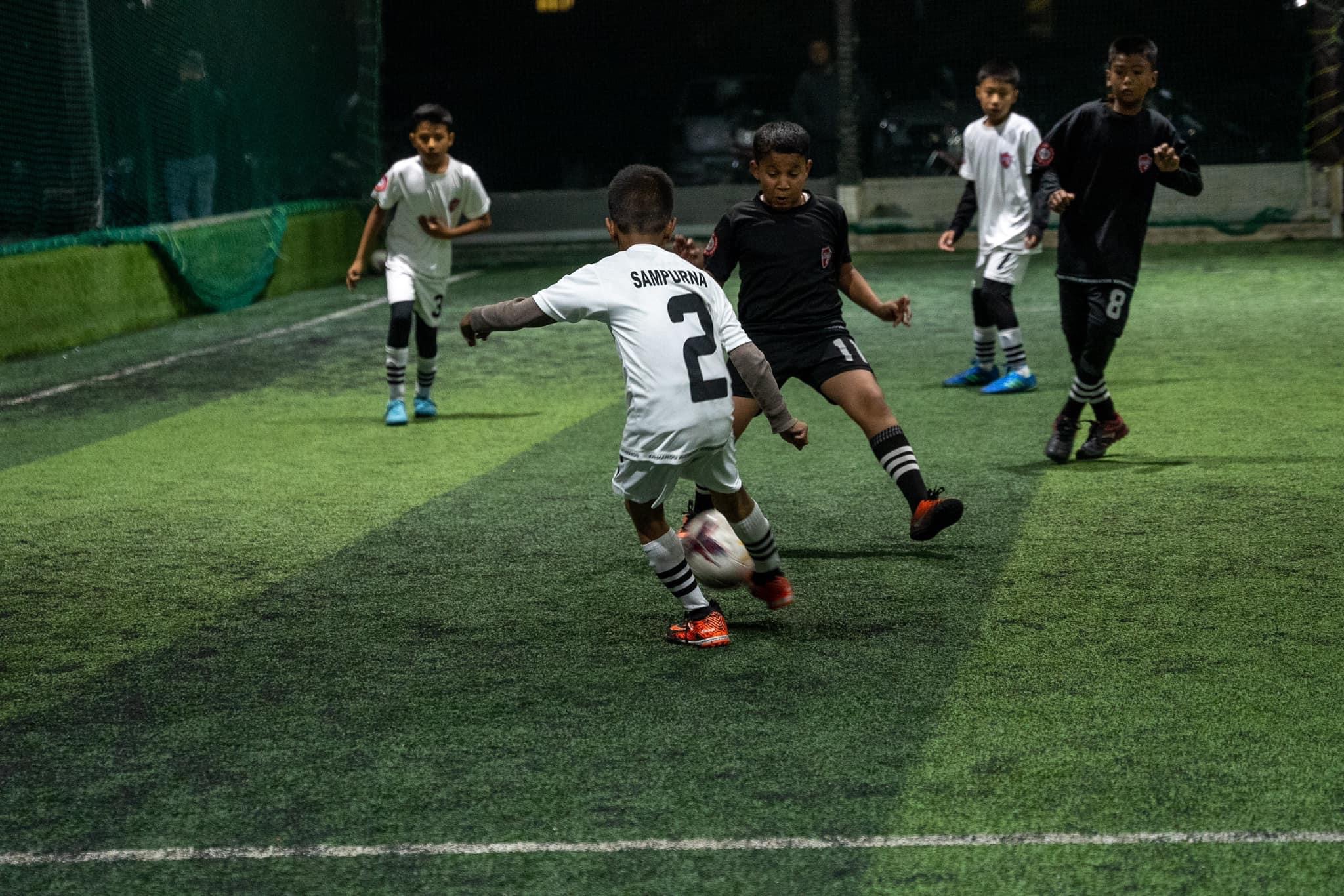
Futsal is a fast-paced, indoor version of football played with five or sometimes even seven players on each side. The ball is smaller and heavier, and the playing area is tighter. These changes might seem small, but they make a big difference in how players think and move. In futsal, players get less time and space, so they must make quick decisions. They learn to control the ball under pressure, pass accurately, and find clever ways to escape defenders. This constant need to think fast helps them become more creative when they play full-sized football later.
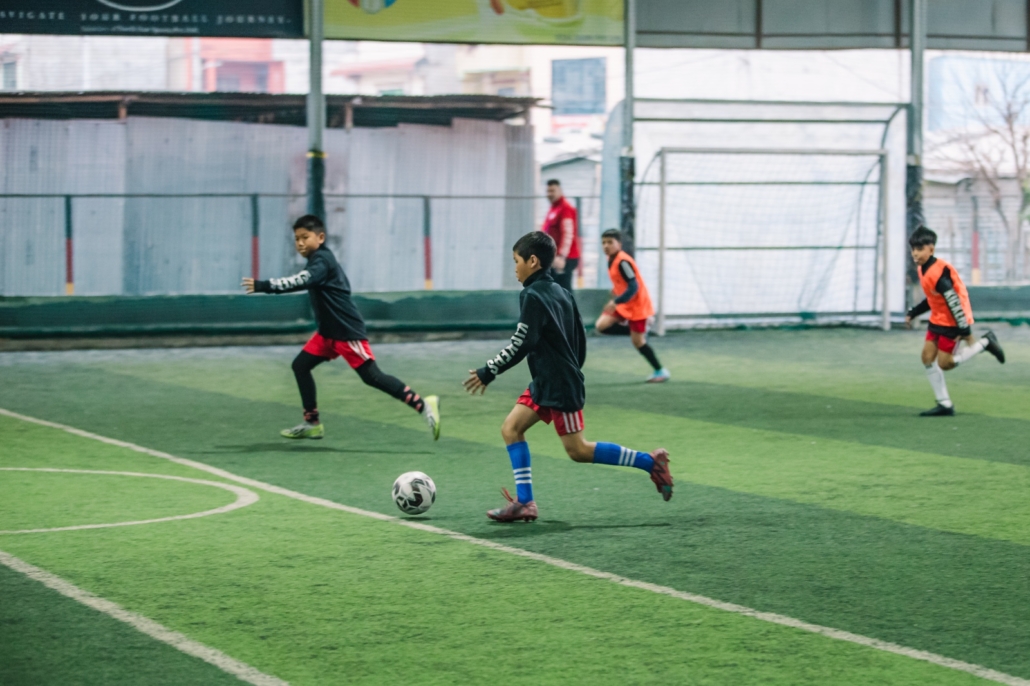
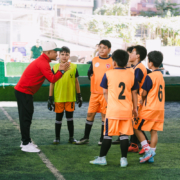
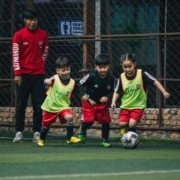
Small-sided games, such as 3v3 or 4v4 matches, offer similar benefits. When fewer players are on the field, every child gets more touches on the ball and more chances to attack, defend, and make decisions. Instead of waiting for the ball in a big match, players are constantly involved in the game. They learn to read situations, combine with teammates, and solve problems instantly. Coaches often say that in small-sided games, every player becomes a mini playmaker.
Another great benefit is that these games build confidence. Because everyone is more involved, even shy or less experienced players get more chances to try new moves. Mistakes are part of learning, and in a smaller setup, players can quickly recover and learn from them. Over time, this develops brave, confident footballers who are not afraid to take risks, which is an important part of being creative on the field.
At Kathmandu Kickers, we mostly incorporate futsal and small-sided games into our training sessions, as they effectively simulate real match situations in a fun and challenging manner. These formats help players improve technically, think faster, and express themselves freely on the pitch.
Also Read: How Football at the Academy Builds Career Skills Outside Sport


Leave a Reply
Want to join the discussion?Feel free to contribute!