
Tag Archive for: The British School

Posts

What to Do If Your Child Compares Themselves to Better Teammates

It’s a situation almost every parent faces in youth sports. Your child comes home quiet after training and says, “They’re better than me.”

At first, it may seem harmless. But constant comparison can slowly damage a child’s confidence in kids and affect not just football, but also school and behavior.

The truth is, comparison is natural. Psychologists call it “social comparison,” and children start doing it from a young age to understand where they stand. But when it becomes a habit, it can lower confidence and reduce enjoyment in sports and studies.
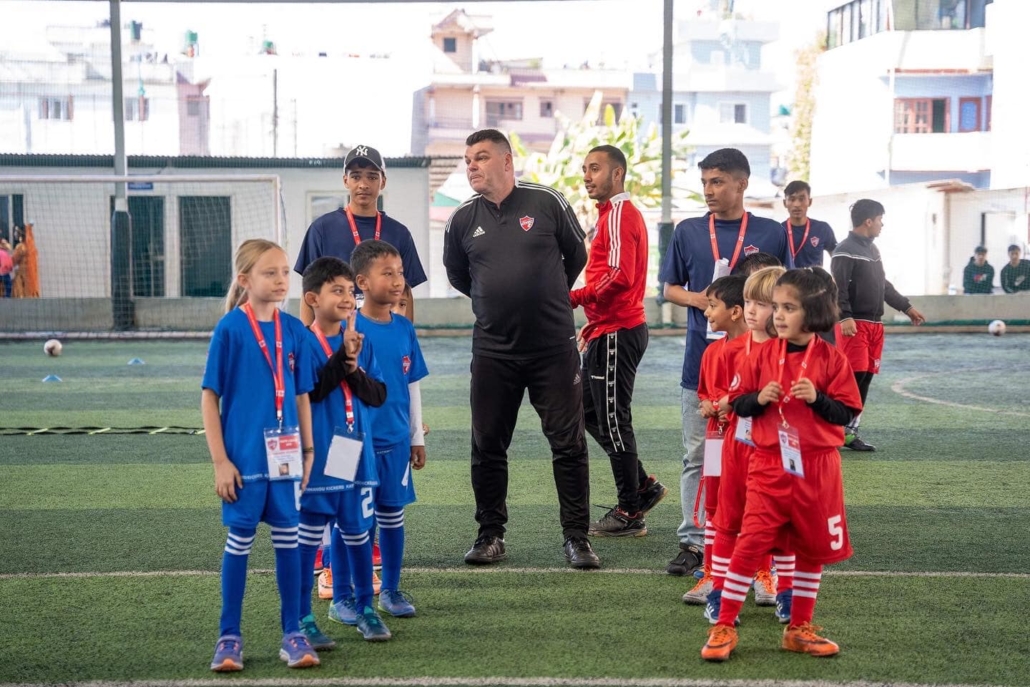
kathmandu kickers venue cupon sports center

Why Comparison Becomes a Problem

In football, kids often compare:

  • Skills
  • Playing time
  • Praise from coaches

But research shows that when children focus too much on others’ strengths, they lose focus on their own abilities and performance. This doesn’t stop on the field. The same child may start thinking: “My friend gets better grades,” “I’m not as smart as others.” Over time, this affects both child development and self-esteem in children.

What Parents Should Do

1. Shift the Focus to Personal Progress

Instead of asking, “Did you win?” ask: “What did you improve today?” This builds a growth mindset, where effort matters more than comparison.
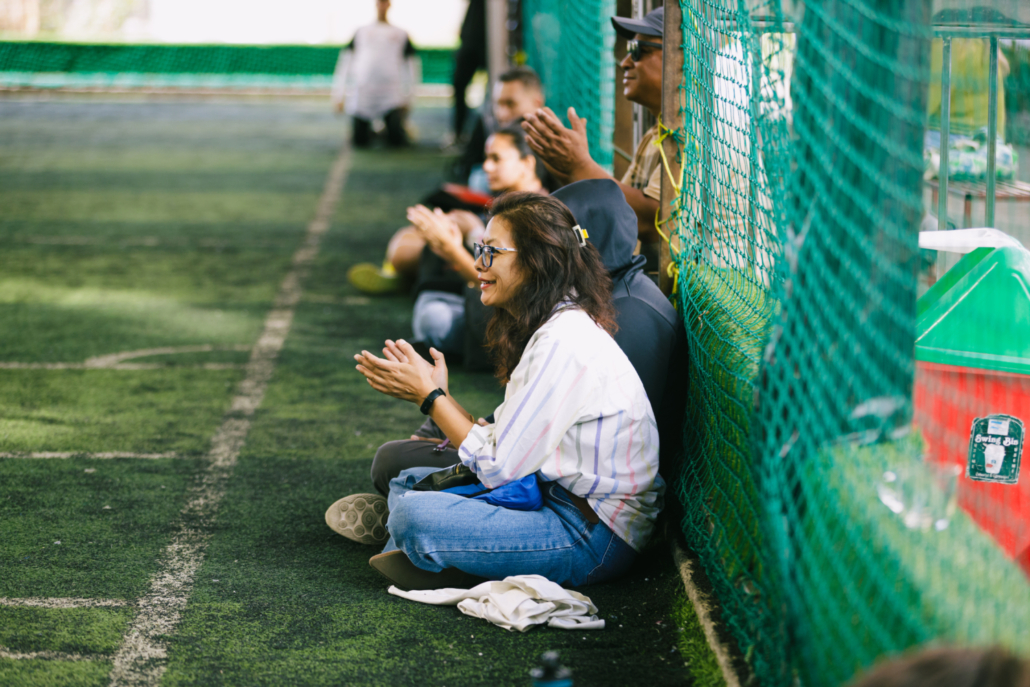
kathmandu kickers parents

2. Normalize Different Growth Speeds

Some kids develop physically or academically faster. That’s normal. Remind your child: “Everyone improves at their own pace.” Even studies show children often choose tougher groups as they grow, because challenge helps development.

3. Connect Sports with Real Life

Explain that football and studies are similar. You don’t become the best overnight. You improve daily. Skills grow with practice, and confidence grows with small wins.

4. Build Identity Beyond Comparison

Help your child see their strengths, such as work ethic, discipline, and team spirit. These matter more than being “the best player.”

5. Be Careful with Your Own Words

Even small comparisons like “Look at him” can hurt. Research shows parental encouragement plays a big role in motivation and long-term participation in sports.

kathmandu kickers

So at Kathmandu Kickers, we understand that every child’s journey is different. Some players shine early, while others grow steadily with time. What truly matters is not how your child compares to others, but how they improve day by day.

Our coaches focus on creating an environment where:

  • Effort is valued over instant results.
  • Mistakes are seen as part of learning.
  • Every child feels supported, both on and off the field.

Because football is not just about producing the best players, it’s about shaping confident, disciplined, and resilient individuals. When children feel safe, encouraged, and understood, they stop comparing and start growing.
Football Positions Explained for Beginners (Parents & Kids Guide)

Football may look simple, 22 players chasing one ball, but every player on the field has a specific role. Understanding these roles helps young players learn the game faster and helps parents follow matches with more excitement. Here’s a simple guide to the main football positions.

Goalkeeper (GK)

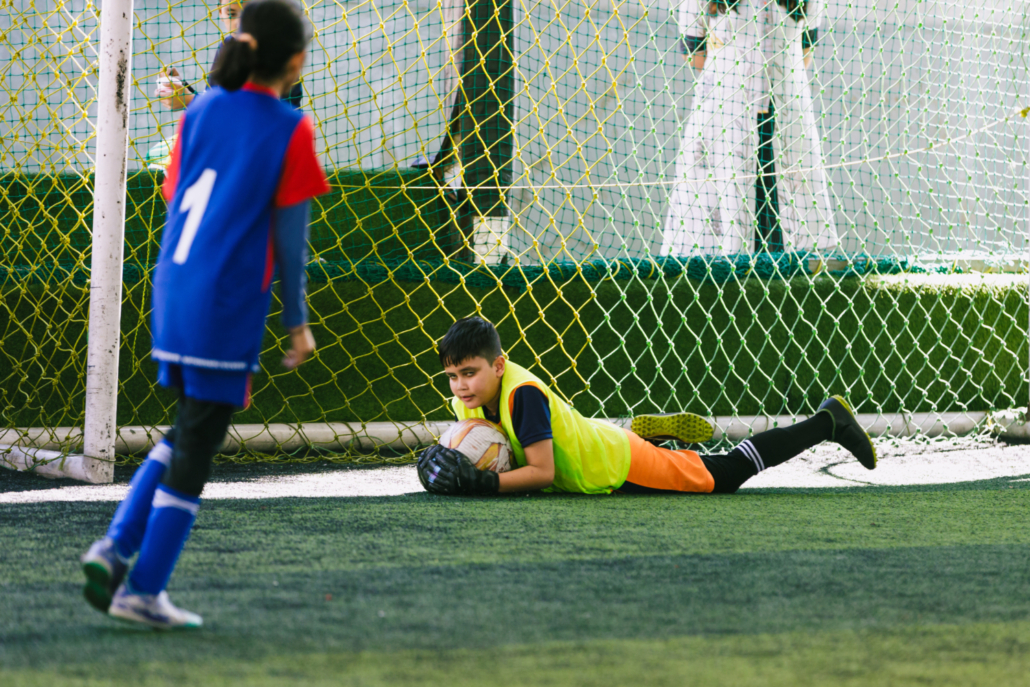
kathmandu kickers goalkeeper

The goalkeeper is the last line of defense. Their main job is to stop the opposing team from scoring by saving shots on goal. Unlike other players, the goalkeeper can use their hands, but only inside the penalty area.

Goalkeepers need quick reflexes, good communication, and confidence. They also help organize the defense and start attacks by passing the ball to teammates.

Defenders

kathmandu kickers defender

Defenders play closest to their own goal and focus mainly on stopping the opposition from attacking.

Center Backs (CB):

They stay in the middle of the defense and block strikers from getting clear shots on goal. They need strength, positioning, and good decision-making.

Full Backs (RB & LB):

Right back and left back play on the sides of the defense. They stop wingers from crossing the ball and often help their team attack down the wings.

Midfielders

kathmandu kickers Midfielder

Midfielders are often called the engine of the team because they connect defense and attack. They run a lot during the game and control the flow of play.

Central Midfielder (CM):

Helps both defend and attack, passes the ball around, and keeps the team organized.

Defensive Midfielder (CDM):

Focuses more on protecting the defense by winning the ball back.

Attacking Midfielder (CAM):

Creates scoring chances by passing the ball forward and supporting the strikers.

Forwards (Attackers)

kathmandu kickers striker

Forwards play closest to the opponent’s goal, and their main job is simple: score goals.

Striker (ST):

Usually, the main goal scorer. Strikers need good finishing, positioning, and confidence in front of the goal.

Wingers (RW & LW):

They play on the sides of the attack. Wingers use speed and dribbling to beat defenders and create chances for teammates.

Why Understanding Positions Matters

For young players, learning different positions helps develop well-rounded skills. Many youth academies encourage kids to try multiple roles, so they understand the game better and become smarter players on the field.

Football is a team sport, and every position is important. When players work together and understand their roles, the game becomes more enjoyable and much more exciting to watch.