
The Impact of Professional Coaching in Nepali Youth Football
Football remains the heartbeat of Nepal’s sporting culture. From school tournaments to district competitions, young players show immense passion and raw ability. However, without structured and professional coaching, that potential often develops unevenly.
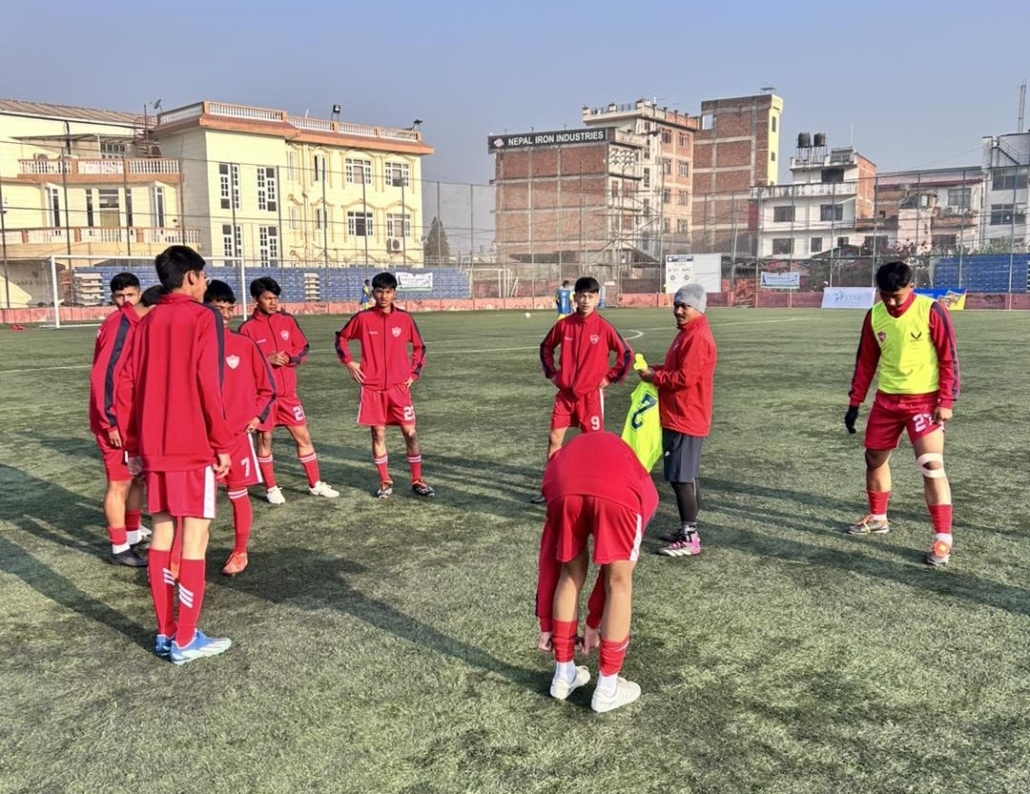
In many youth and professional settings across Nepal, preparation periods are often brief. Teams may train only a few days or weeks before competitive matches. When training duration is limited, players struggle to fully understand tactical systems or adapt to a coach’s playing philosophy. Development becomes focused on immediate results rather than long-term growth.
The All Nepal Football Association has introduced grassroots and coaching education programs to strengthen technical standards. These initiatives are valuable. Still, consistent implementation at the youth level remains the key to sustainable improvement.
Coaching Continuity and Player Stability in Nepal
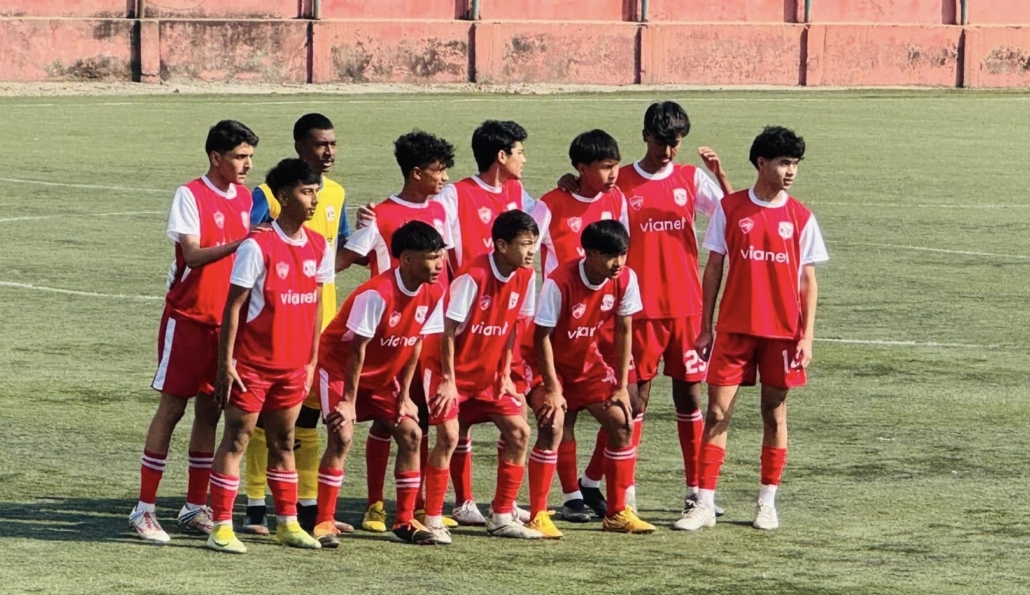
One overlooked challenge in Nepali youth football is the lack of continuity. Many young players do not stay under the same coach for multiple seasons. Additionally, players often represent different clubs each season depending on tournament opportunities. This situation is not necessarily the players’ fault. Due to the lack of league, proper structures, and limited long-term competitions in Nepal, many footballers switch clubs in search of consistent match exposure and better development opportunities.
While this flexibility provides exposure, it can slow tactical growth. When players constantly adjust to new coaching styles and teammates, they must repeatedly adapt to different systems instead of mastering one structured approach. Consistency in coaching enables players to develop a strong identity, gain a deep understanding of their roles, and enhance their decision-making skills over time.
Regular competition with the same core team also strengthens chemistry, communication, and collective understanding is essential elements in modern football.
How Professional Coaching Can Transform Nepali Youth Football
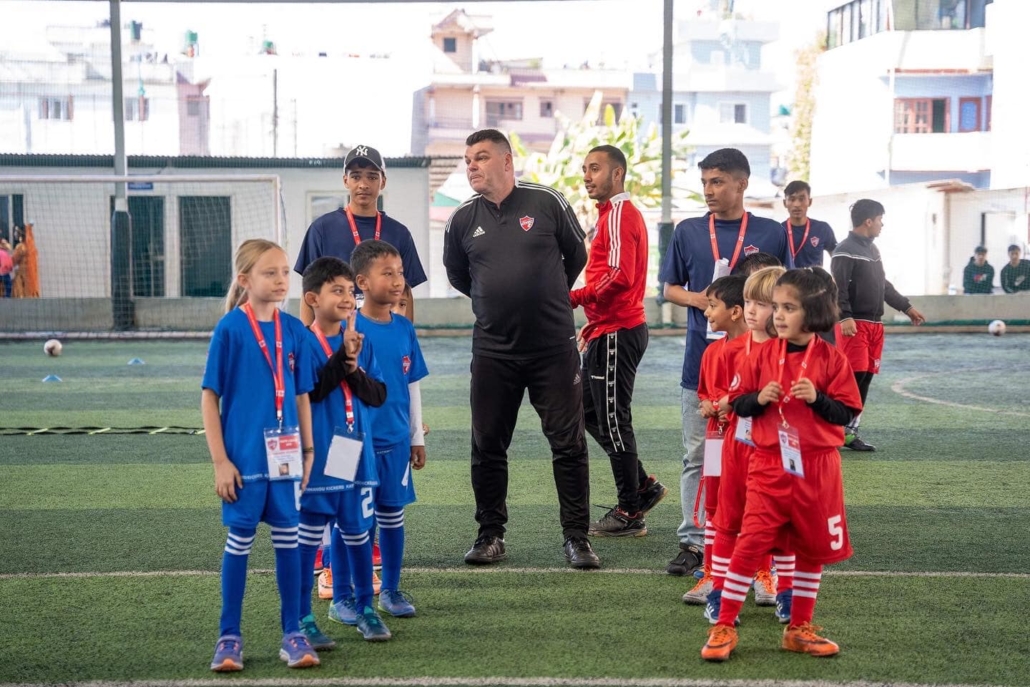
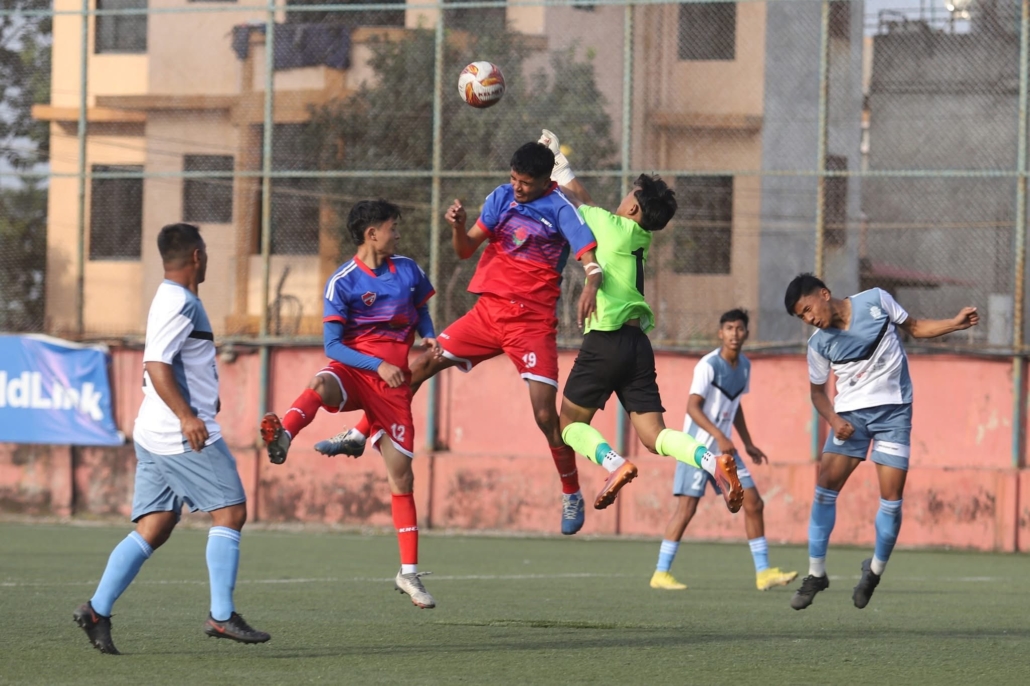
Professional coaching in Nepali youth football can reshape the foundation of the game. Qualified coaches working with long-term development plans provide structured weekly sessions, clear tactical frameworks, and measurable performance goals.
With proper training cycles, players gain not only physical sharpness but also tactical intelligence. They learn positioning, pressing triggers, building up structures, and game management. More importantly, they develop discipline and adaptability, which are very important qualities needed for national leagues and international exposure.
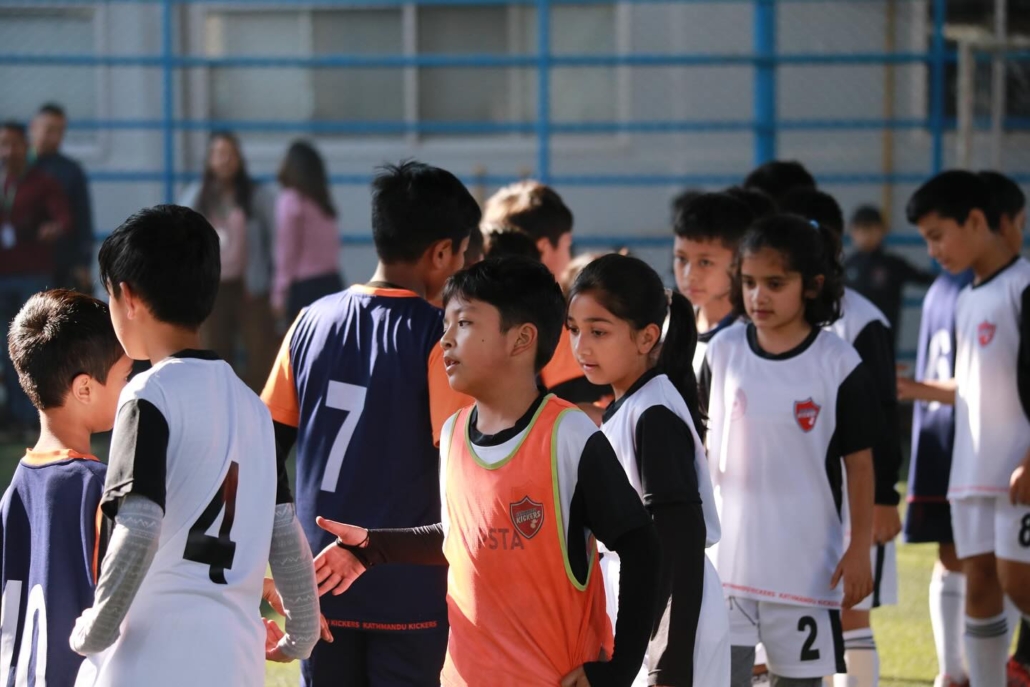
If Nepal invests seriously in professional youth coaching today, the future of Nepali football will be defined not only by passion, but by preparation and tactical identity. Youth programs and academies that prioritize structured training, such as Kathmandu Kickers, are already showing how consistent coaching, match exposure, and long-term planning can positively influence player development without rushing the process.