

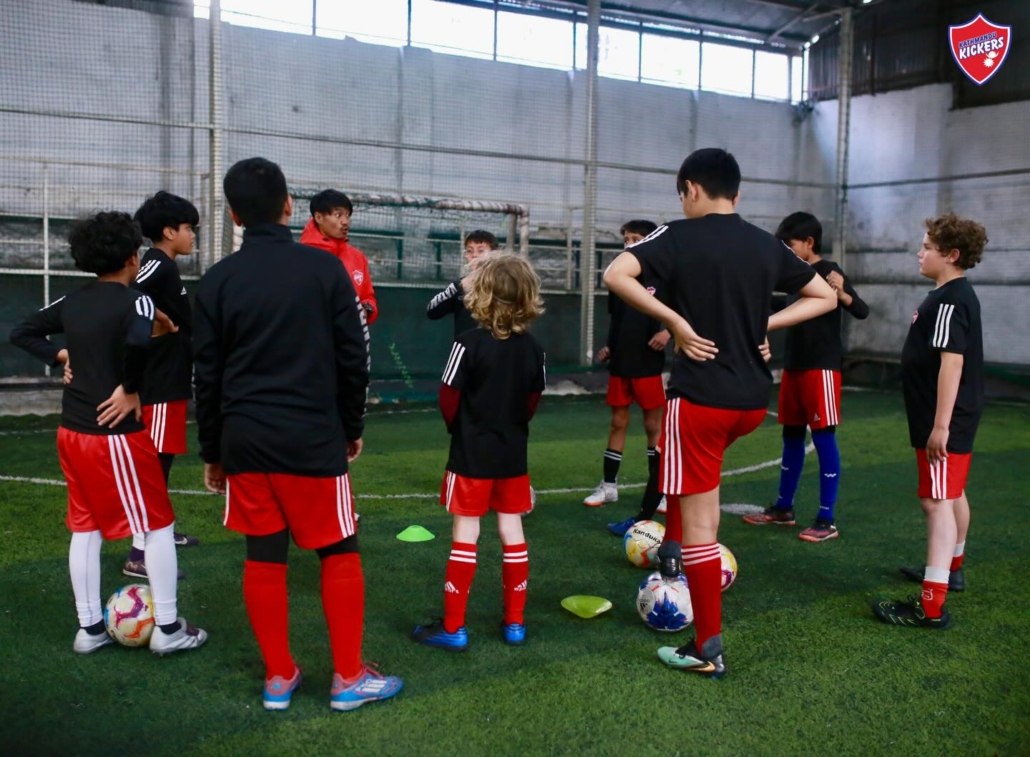
Why Listening to Your Coach Matters in Football Development
In football, talent gets attention. Skills get applause. Goals make headlines.
But one of the biggest reasons a player truly improves often goes unnoticed: the ability to listen.
At Kathmandu Kickers, we constantly remind our young players that development is not just about how well you dribble, shoot, or sprint. It is also about how willing you are to learn. The players who grow the fastest are usually the ones who stay humble enough to listen.
Every training session is an opportunity to improve. Coaches are not there to instruct; they are there to guide players through experiences, mistakes, and lessons that can shape their future in football. The moment a player believes they already know everything, growth starts to slow down.
Even at the highest level of world football, learning never stops.
Players like Lamine Yamal, Cristiano Ronaldo, Kylian Mbappé, and Lionel Messi continue to listen to coaches, teammates, analysts, and mentors despite having already achieved greatness. Their mentality is simple: there is always something new to learn.
That mindset is what separates good players from great ones.
Listening in football does not mean standing silently and nodding. Real listening means paying attention, understanding instructions, asking questions, and applying feedback during training and matches. A player who asks questions is not weak or inexperienced. In fact, it shows hunger to improve.
A simple but important example of this was seen during one of the Kathmandu Kickers training sessions. During a drill, Kathmandu Kickers coach Suraj Thapa Magar told a player, “Communicate more, or you will sit out for a few minutes so you can observe and improve.” The coach was encouraging the player to communicate more actively with teammates during the session. After receiving the instruction, the player pushed himself to speak more, stay involved, and communicate throughout the drill. A few minutes later, Coach Suraj praised the player for improving his communication.
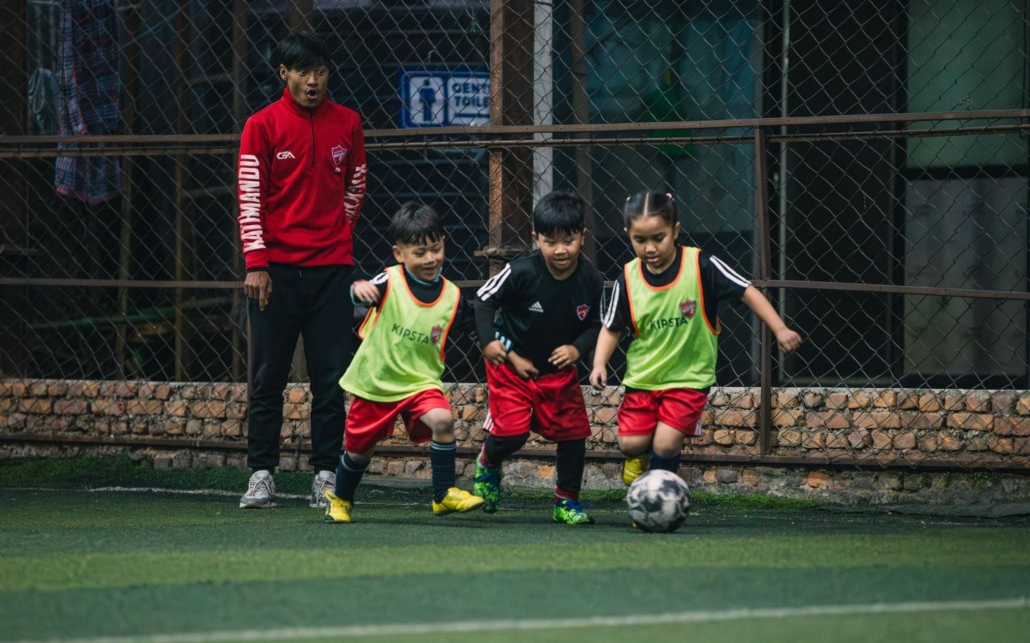
The positive response from the player also impressed the parents watching the session. It reflected something important about football development at Kathmandu Kickers; the focus is not only on teaching players how to play football, but also on helping them learn discipline, communication, teamwork, and how to grow as individuals both on and off the pitch.
It was a small moment, but it reflected an important lesson: improvement often begins when players listen carefully, respond positively, and apply feedback immediately.
At Kathmandu Kickers, we encourage our players to communicate openly. If something is unclear, ask. If you make mistakes, learn from them. Football is a game of constant adaptation, and no player, coach, or professional knows everything.
One of the biggest mistakes young players make is becoming too comfortable too early. Sometimes, after performing well in a few matches or receiving praise, players stop taking feedback seriously. That is often the point where development begins to slow down. Football rewards consistency, discipline, and coachability far more than temporary confidence.
The best players are usually the best learners.
As coaches and mentors, our goal is not only to create better footballers but also better individuals. Learning how to listen teaches discipline, patience, respect, and teamwork, some qualities that help both on and off the pitch.
Football is a long journey. There will always be ups and downs, victories and setbacks. But players who remain open to learning will always have the best chance to reach the next level.
At Kathmandu Kickers, we believe growth begins the moment a player decides to listen, learn, and improve every single day.


Leave a Reply
Want to join the discussion?Feel free to contribute!